

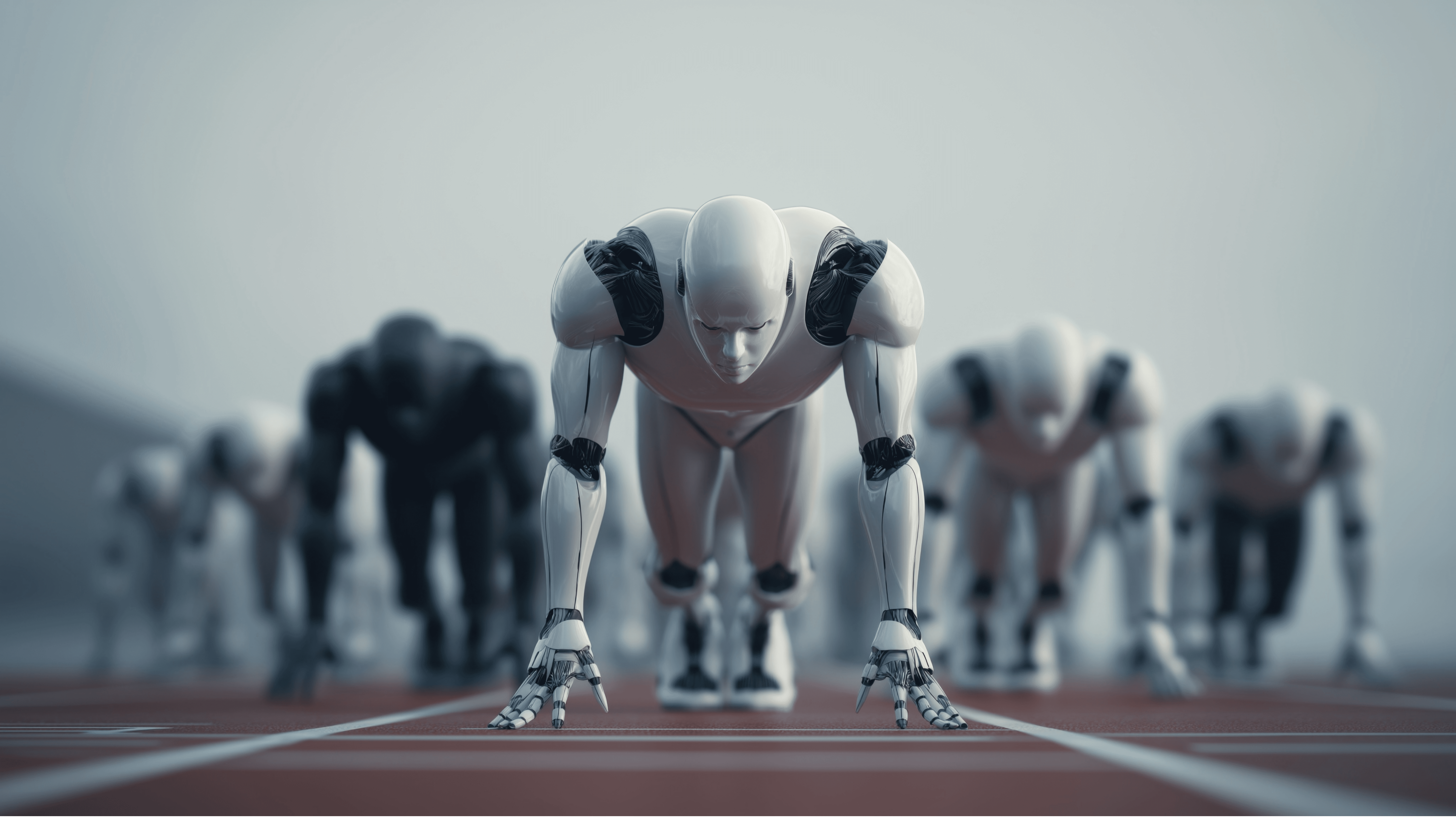
No, AI will not replace software developers, but it is changing how they work. AI can now write code, generate UI components, debug errors and draft APIs in minutes. But someone still has to decide what to build, check that the code is correct, secure and scalable, and fix it when real users break it. That judgement is the developer's job. The developers at risk are not those replaced by AI; they are those who stop learning.
Let's be honest. AI is changing the software industry faster than ever. Tasks that once took hours now take minutes. So people keep asking: will AI replace software developers?
I don't think that's the right question. The better question is: what does a good developer look like when AI is part of every workflow?
What AI can already do in software development?
Today's AI coding tools can:
- Write functions and boilerplate code from a plain-language prompt
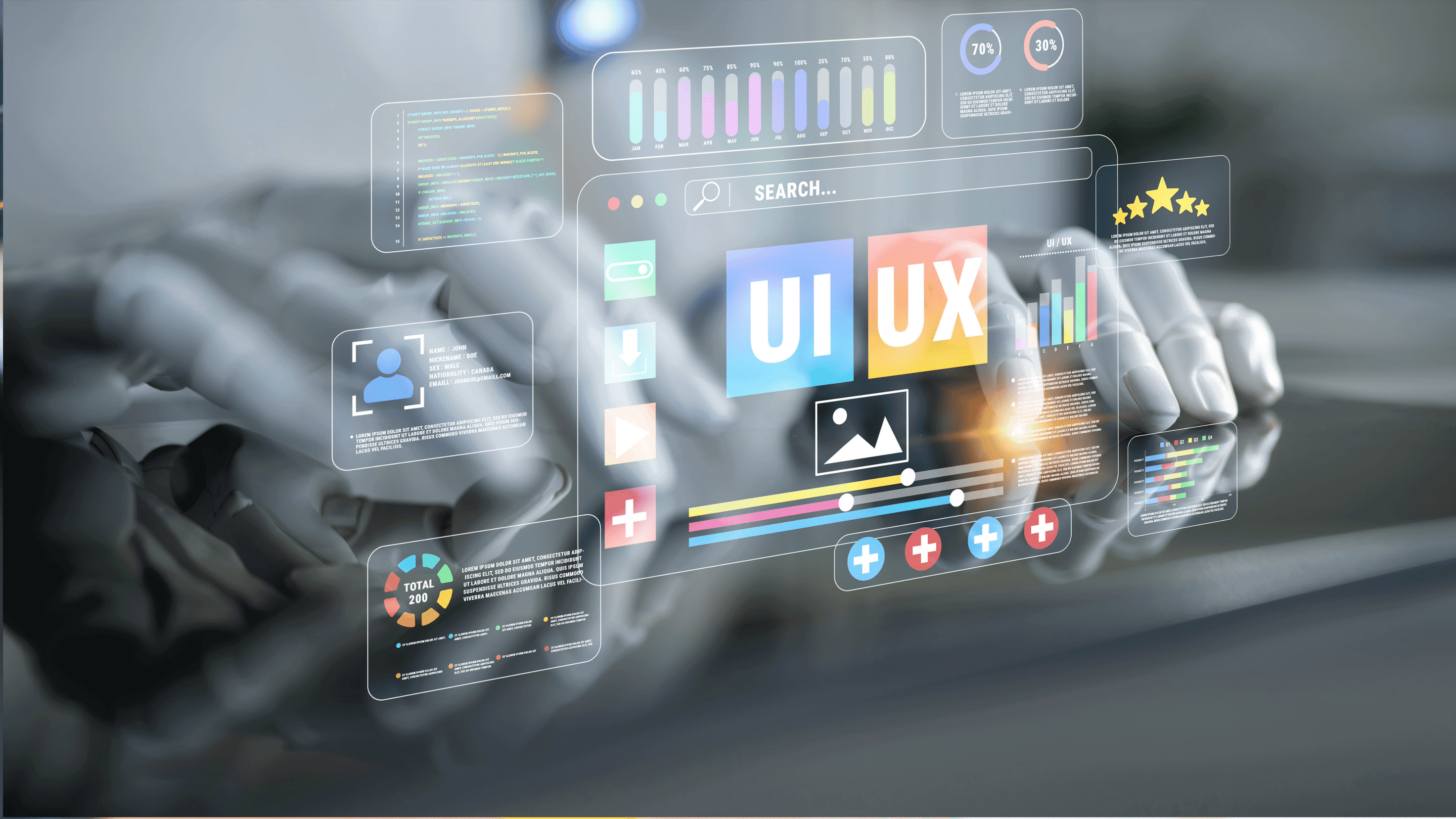
- Generate UI components and API endpoints
- Explain unfamiliar code and suggest fixes for errors
- Draft unit tests and test cases
- Build simple working applications end to end
Adoption is already mainstream. In the Stack Overflow 2025 Developer Survey, 84% of developers said they use or plan to use AI tools, and about half of professional developers use them every day.
Why AI can write code but cannot replace developers?
Writing code vs solving problems
Software development is not just writing code. It is understanding requirements, solving business problems, designing systems, handling unexpected situations and building products people actually need.
AI can generate code. A developer has to know whether that code is correct, secure, scalable and useful. That is where engineering knowledge matters.
What the 2025 developer data shows?
The same Stack Overflow survey shows developers use AI heavily but do not trust it blindly:
- 46% of developers said they distrust the accuracy of AI output; only 33% trust it, and just 3% trust it highly.
- About two in three said AI answers that are "almost right" create extra work for them.
- 45% said debugging AI-generated code takes longer than expected.
In other words, AI speeds up the first draft, and humans still own the final answer. Verification, debugging and design stay with the developer.
AI vs software developer: who does what?
| Task | AI coding tools | Software developer |
| Boilerplate and repetitive code | Fast and reliable | Reviews and integrates |
| Understanding business requirements | Limited: depends on the prompt | Owns it: talks to stakeholders, asks the right questions |
| System design and architecture | Suggests patterns | Makes trade-offs for scale, cost and security |
| Debugging | Suggests likely fixes | Finds root cause in real environments |
| Security and compliance | Can introduce risky code | Checks, tests and is accountable |
| Test cases | Drafts quickly | Decides what matters and validates coverage |
| Handling edge cases in production | Weak | Core skill |
How developers should use AI as an assistant?
Think of AI as another development tool. We moved from traditional coding to frameworks, libraries, automation, and now AI. Every one of those shifts changed how developers work. None of them removed the need for developers.
Used well, AI helps you:
- Write code faster
- Find and fix bugs
- Generate test cases
- Explore alternative solutions
- Cut repetitive tasks
Why compete with a tool that can make you more productive? Use it, and review everything it gives you as you would review a junior teammate's pull request.
Skills developers need in the AI era
Instead of fearing AI, learn to work with it. Focus on:
- Strong programming fundamentals: you cannot review code you don't understand
- Problem-solving: breaking a business problem into a technical solution
- System design and architecture: the decisions AI cannot make for you
- Frontend and backend understanding: how the whole application fits together
- Security basics: spotting risky patterns in generated code
- AI tools and integrations: prompting well, and building AI features into products
Don't just learn how to generate code. Learn how to understand it and improve it.
What this means for engineering leaders?
For CTOs, delivery heads and GCC leaders, the takeaway is practical. Senior developers expect change: in a 2026 BairesDev survey of 501 developers, 65% said their role will be redefined this year.
To get value from AI without adding risk:
- Keep human review mandatory for AI-generated code before it merges.
- Strengthen QA and security testing, because "almost right" code moves faster through pipelines.
- Invest in fundamentals and AI training together, especially for early-career engineers.
- Measure outcomes, not lines of code: defect rates, cycle time and incidents.
Final thoughts
AI will change software development. It does not mean the end of software developers.
Developers who keep learning, adapt and understand technology deeply will have more room to grow, not less. Don't be afraid of AI. Be afraid of stopping your learning.
AI may write the code, but the ability to think, create and solve meaningful problems is what makes you a software developer. Keep learning. Keep building. Keep evolving.
Building applications with AI in the workflow? VyntraPro helps enterprises adopt AI-assisted application development with the QA, security and DevOps guardrails to match. Talk to our team.
FAQs
Will AI replace software developers? No. AI automates parts of coding, such as boilerplate, test drafts and bug suggestions. Developers still own requirements, design, security, verification and production support.
Which developer tasks can AI do today? AI can write functions, generate UI components and APIs, explain code, suggest bug fixes and draft test cases. Its output still needs human review.
What skills will keep developers relevant in the AI era? Programming fundamentals, problem-solving, system design, full-stack understanding, security awareness and the ability to use and integrate AI tools.
Should junior developers worry about AI? Junior developers should adapt rather than worry. Learn fundamentals deeply, use AI to learn faster, and practise reviewing and debugging code, the skills AI cannot replace.
How should engineering teams adopt AI coding tools safely? Make human code review mandatory, strengthen QA and security testing, train teams on both fundamentals and AI tools, and track quality metrics such as defects and incidents.





Comments
0 comments
No comments yet
Be the first to add something to this.
Leave a comment